








 2026.07.03


In May 2026, the R&D team of VALORO made another trip to trace the origins in Europe. Covering over 9,000 kilometers and spending 11 hours in flight, we landed at Malpensa Airport in Milan, Italy at 20:00 on May 25th.
The route is updated every year. This time, we drove through several cities in Liechtenstein, Germany, Austria and Italy... The wonderful anecdotes and urban landscapes along the way are all presented here.
01 | Vaduz, Liechtenstein
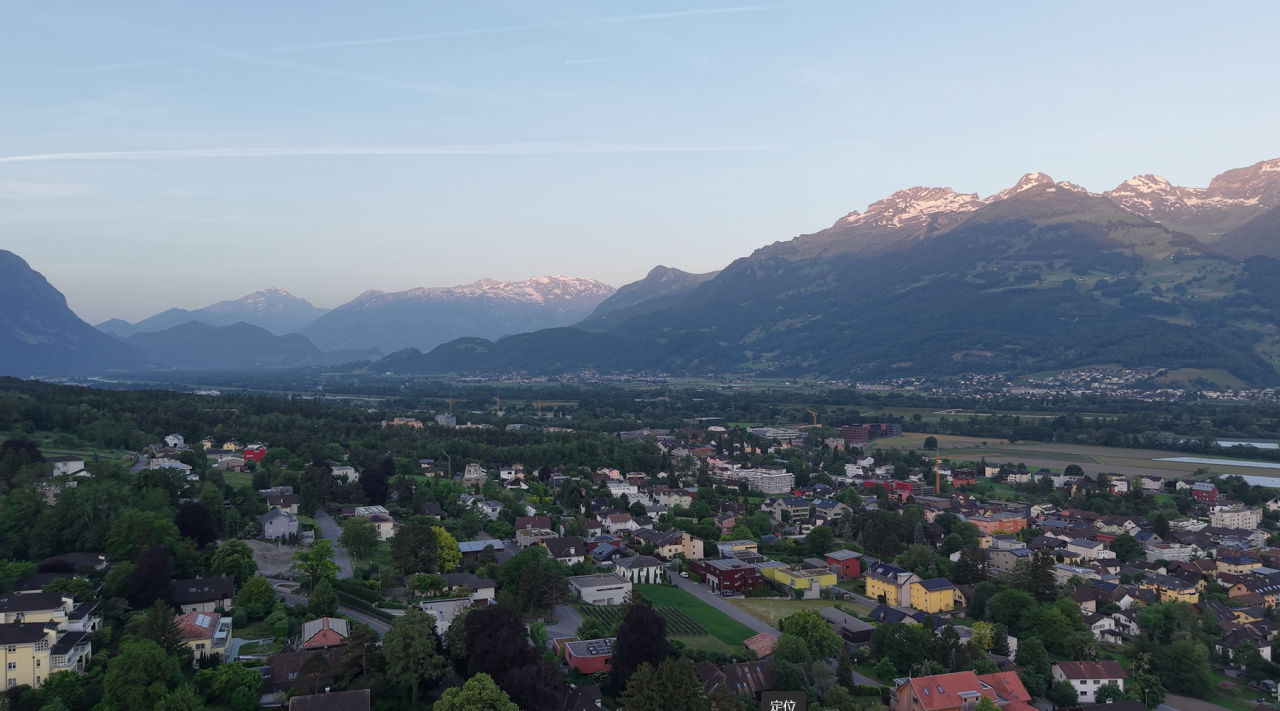
We drove for three hours through Switzerland, passing by Lake Como and the Alpine mountainous road. We arrived in Vaduz, the capital of Liechtenstein, in the early morning. Vaduz lies on the east bank of the Rhine River and in the basin at the northern foot of the Alps. The permanent population is only over 5,000. The low-rise buildings with red and white tiles are neatly arranged. The streets and alleys are clean and quiet, filled with the exquisite and romantic charm unique to European towns.
The Kloster by Smart hotel where we are staying was transformed from the 1935 St. Elizabeth Monastery. It reopened in 2023 and retains the classical architectural facade while incorporating modern minimalist style. Looking out of the window, you can see the magnificent mountain scenery with snow-capped peaks in the background. In the morning light, the silver glow shines, setting a peaceful and solemn scene for the journey.
02 | Regensburg, Germany
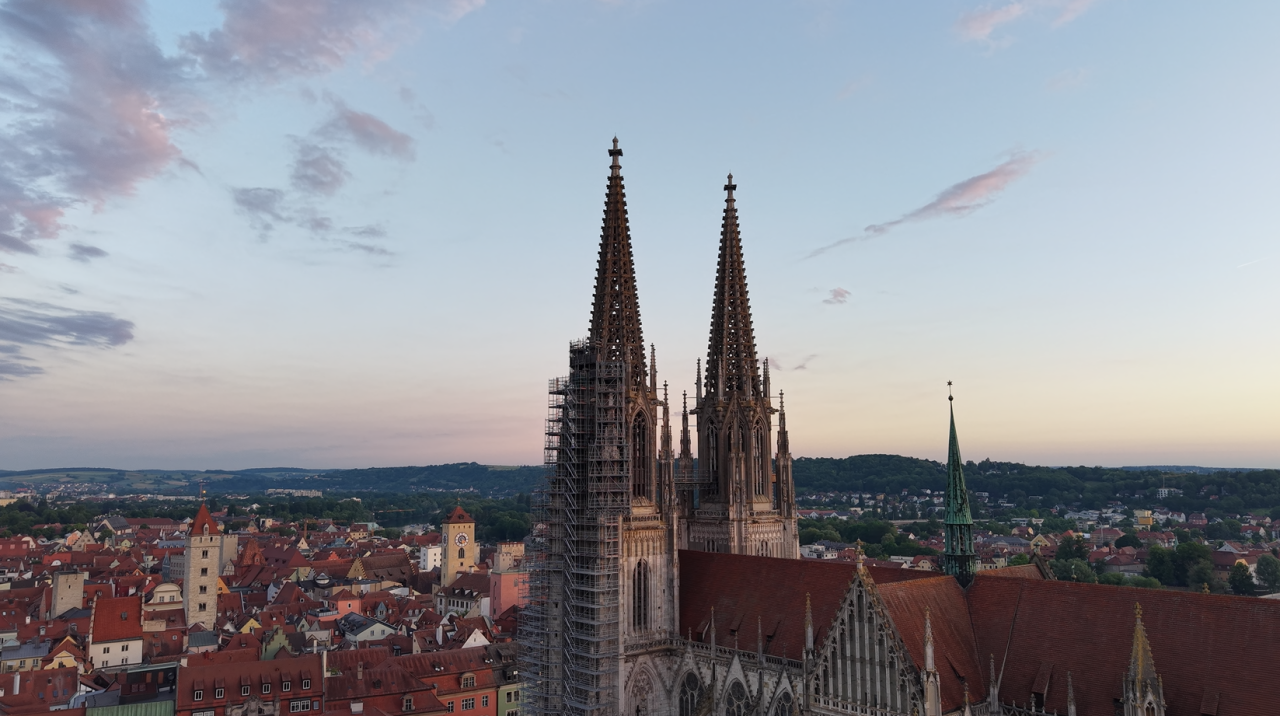
On May 26th, after work, Mr. Max, the VP of BestHides, and Mr. Stefan, the CEO of Singer International, accompanied us on a stroll through the old town of Regensburg, Germany. This ancient city was once the "heart" of the Holy Roman Empire and boasted over 1,500 historical buildings. It miraculously survived the artillery fire during World War II.
The city's landmark building, St. Peter's Cathedral, is the purest Gothic architecture in Bavaria. The two towers are 105 meters high. Construction began in the 13th century and was completed in the 19th century, spanning a total of 600 years.
In Germany, "Kirche" generally refers to a small church, while "Dom" refers to a cathedral. Max told us: German law stipulates that the height of all buildings must not exceed that of a church; except for a few major cities such as Berlin and Frankfurt.
This stone bridge spanning the Danube River (Steinerne Brücke) has a history of over 800 years. The clock tower at the bridgehead and the "devil legend" add to its mysterious charm. The Regensburg Old Town, which has been listed as a World Heritage Site, is not sealed off as a museum. The residents still live there, and the bars and workshops exude a lively atmosphere. Ancient and modern coexist harmoniously.
The dinner party was held at the highly renowned German restaurant: Bischofshof am Dom. Its history dates back to 1649, and outside the garden is the St. Peter's Cathedral. The restaurant recreates the classic flavors from the 1867 "Regensburg Cooking Book" - roasted pork, secret beer sauce grilled meat, fresh fish, etc. Each dish embodies the century-old Bavarian tradition. The self-brewed beer has a history of hundreds of years, and the Bierkrug wine glasses and CHAINE Chef's Crown Medal showcase the restaurant's prominent status. The famous paintings on the walls of different themed private rooms also record the past scenery of Regensburg and the Danube River.
That night, we checked into the Eurostars Park Hotel Maximilian in the ancient city. This palace-style hotel, which opened in 1891, adheres to the royal aesthetic of King Maximilian II. It was later requisitioned by the US military during the later stages of World War II and then became a Bavarian historic preservation building. In 2008, it was renovated and retained the carved domes, large arched windows, and gilded banquet hall. Classical and modern elements blend together. In the morning, we enjoyed a European-style buffet breakfast by the window. The crystal chandeliers and vintage paintings transported us back to the era of Bavarian nobility.
03 | Salzburg, Austria
On the evening of May 27th, we arrived in Salzburg, Austria - the hometown of Mozart, a city that Zweig called "the most ideal place for seclusion". The old town was listed as a World Heritage Site in 1996.
The Grain Lane remains the main commercial street of the city. The ironwork signs dating back to the 16th century have been preserved to this day, shining brightly at night. Mozart was born at No. 9 of the Grain Lane. Just a few steps away, the Salzburg Cathedral and the even older St. Peter Monastery carry the spiritual thread of the city.
The dinner party was held in the restaurant deep within the St. Peter Monastery: St. Peter Stiftskulinarium - the oldest restaurant in Europe. It opened in 803 AD and has a history of 1,200 years. Faust, Haydn, the Mozart family, and Napoleon all once stayed and dined here.
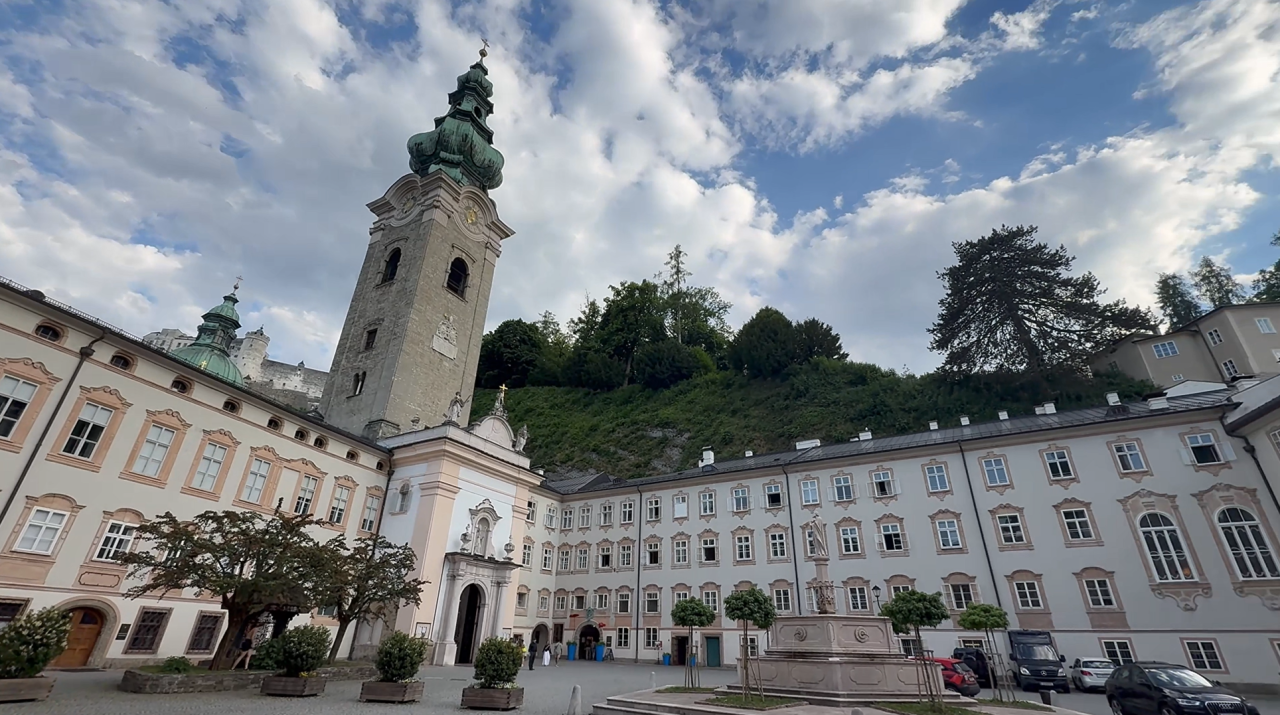
The restaurant has perfectly preserved the medieval arcade courtyard and the cave wine cellar. The warm candlelight and the blues-themed interior decoration blend the retro and modern aesthetics. At the same time, it has received four authoritative certifications from major German food guide publications, including Falstaff with a score of 90+ and Trippel.
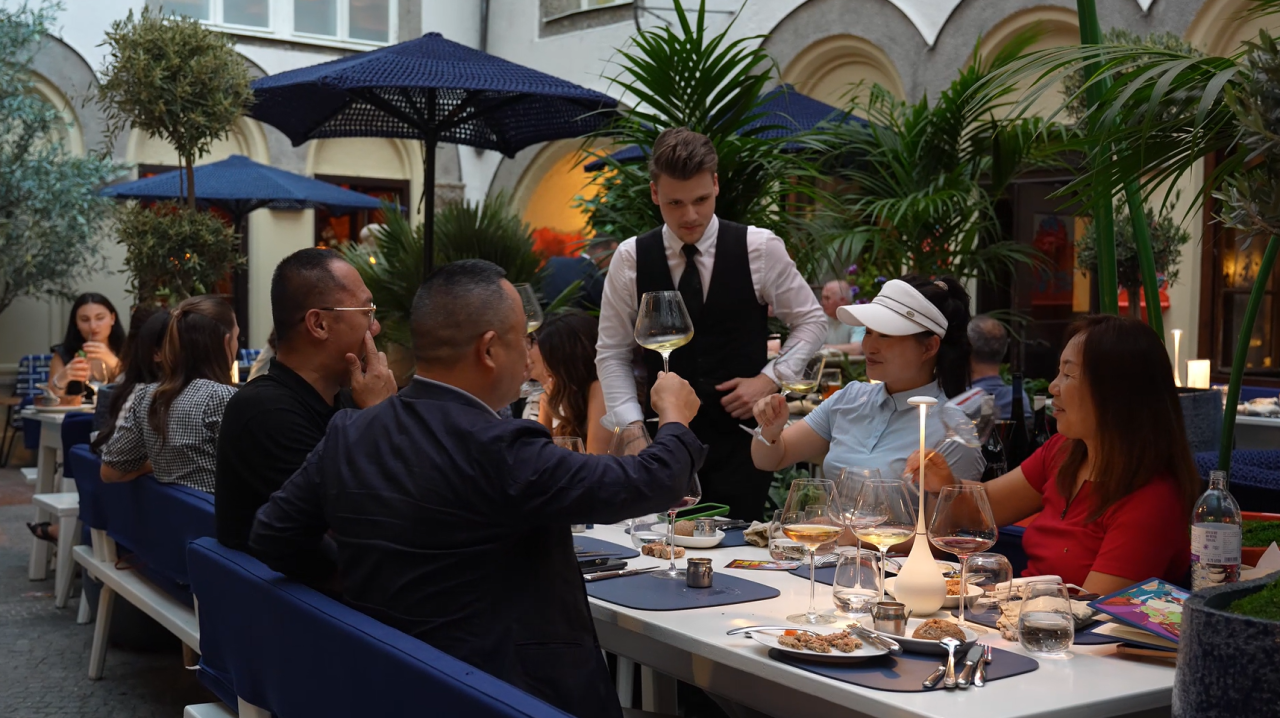
That night, the "Mozart Dinner" featured the performance of classic pieces such as "The Magic Flute". The classical and elegant atmosphere was complemented by exquisite and well-prepared dishes: Claire oysters, duck meat with sauce, Rossini beef tenderloin steak, Salzburg soufflé, etc. This truly allowed us to understand: "Between history and modernity, there exists a place that has never stood still - St. Peter Stiftskulinarium. Anyone sitting here experiences not just a meal, but an eternal feeling."
But the real highlight is the wine - the restaurant's wine list has over a hundred pages and they have over 10,000 bottles in stock. The sommelier opened for us the Pinot Noir from the Grand Cru Estate of the Austrian Hinterstoder Mountain, which is produced annually in only 50,000 bottles and is not available for export but is consumed locally. We call it "the best Pinot Noir under 2,000 yuan". There is also the Greenwillin White Wine "Unendlich" (Infinite Sky), from the famous F.X. Pichler winery in the Wachau Valley. It has consistently received high scores of 95+ from Robert Parker and is regarded as the ceiling of Greenwillin worldwide.
The sommelier also recommended several hidden gems, and his professional skills were truly impressive. During the meal, the sommelier proudly stated that his "Full Blood" wine has a pure Germanic origin, and his professional enthusiasm was unforgettable.
The hotel restaurant "Schöne Aussicht" where we checked in that night is a traditional farm that has a history of nearly 350 years. It has been run by the same family for generations. In the early morning, standing on the viewing balcony, the old town of Salzburg, the castle and the continuous snow-capped mountains all come into view. For the outdoor breakfast, we were served Alpian fresh milk yogurt, enjoying the panoramic view of the mountain city all to ourselves. It was precious and soothing.
04 | Vicenza, Italy
In the early morning, the Michelangelo Villa Hotel in Vicenza remained as beautiful and picturesque as ever. During breakfast, we still chose the seat beneath the pomegranate tree outside the window. The seasonal sweet Bosco pears and apricots, with their fresh and plump flavors, slowly melted in our mouths. The morning light filtered through the leaves and fell on the tablecloth. At that moment, time seemed to have slowed down on its own. Because we had stayed there many times, the hotel specially wrote a thank-you letter and sent it to us.
After completing the inspection of the bulk leather goods in the leather capital Arzignano in the morning, Mr. Alessandro, the president of LEONARDO, and Mr. Massimo, his partner, invited us to the nearby mountain-side restaurant Al Cavallino. The restaurant is located in the old town square of the town of Creazzo and is a classic rural stone-built building in the northern part of Veneto.
All the dishes are made with fresh local ingredients of the day. For instance, Italian cucumber flowers need to be cooked within 12 hours of being picked. There are also freshly sliced Parma ham, meat sauce pasta, slow-cooked pig's head meat, and charcoal-grilled black-haired pig. These are paired with Soave dry white wine to cleanse the palate and enhance the flavor. During the meal, Michael and Alessandro discussed the international furniture market and decided on the direction for custom leather products in the second half of 2026. In the afternoon, the sun shone brightly over the town, and as they said goodbye, the bond between them grew even deeper.
In the evening, the presidents of the partner NOPE, Mr. Diego and Mr. Edoardo, came to the Vicenza Hotel to enjoy the sunset with us. Then they took us to a nearby restaurant: Zamboni.
The restaurant is located on the Beric Hill. From outside, one can enjoy a panoramic view of the hill and the Fimun Lake. It was renovated from an old church school and is now run by the family. It has also been successfully included in the 2026 Michelin Guide recommendation list.
At the blues hour, the Bericci Hills softened under the twilight. The aperitif was Casa Cecchin Nostrum traditional sparkling wine, refreshing and highly acidic; Tenuta Cicogna Syrah 2021, rich in the blackberry and mineral aromas imparted by the Bericci microclimate. The slow-cooked beef shank was tender and flavorful. The white asparagus salad, grilled citrus squid, tiramisu... Every bite was a true Veneto flavor.
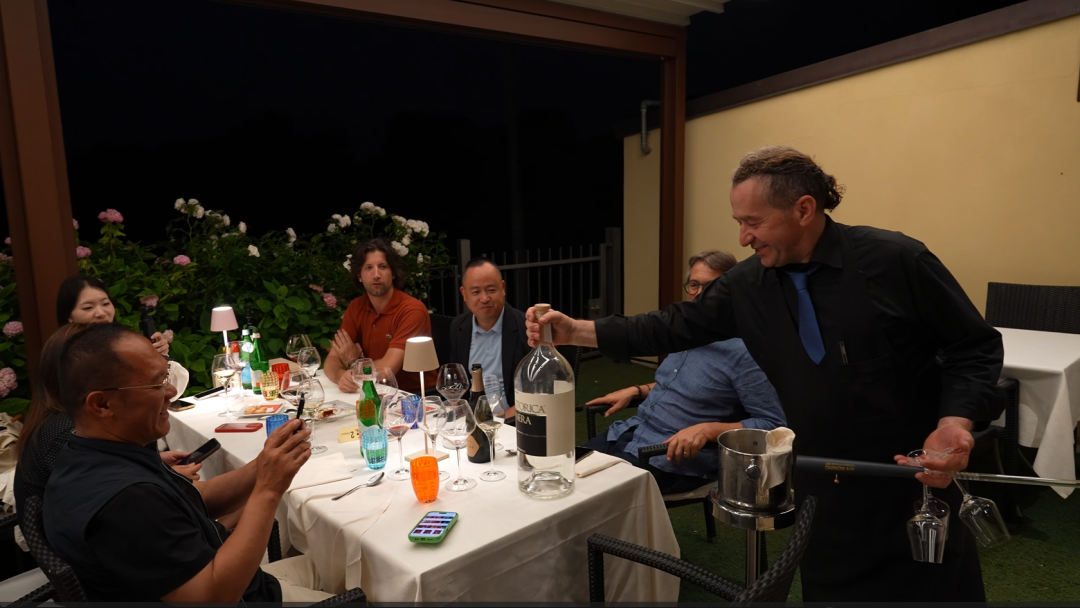
The restaurant stocks over 450 types of wines, with the local wineries being the core. The finale is the super-large bottle of Grappa, which we jokingly call "Italian Maotai". It is distilled by the Domenis 1898 distillery using the pomace of Merlot and Cabernet Sauvignon, aged in copper distillation equipment for 12 months, with an alcohol content of 50%. It serves as a powerful conclusion to the meal. During the night, everyone raised their glasses and agreed to meet again in Vicenza in October.
On the return journey, we drove from Alzignano to Milan Malpensa Airport. By evening, we completed the check-in procedures and officially set off on our return trip.
Faust said, "Life is fleeting, but art is eternal." VALORO Valleri is integrating European art and nature into home decor, making the beauty of life remain in the home. The 2026 May trip has come to a successful conclusion. We look forward to continuing the new chapter in October.


